
Together Through Sport - Empowering refugee youth in Chad
When Movement Brings Hope: Empowering Refugee Youth in Iridimi, Chad
Video in French/ Vidéo en français:
In October, Liikkukaa – Sports for All (Finland) began a new chapter of cooperation with refugee camps in eastern Chad, near the border with Sudan. Today, nearly 100,000 refugees live in these camps, and another 50,000 people are currently being registered after fleeing conflict and insecurity.
During the Christmas and New Year period, our team returned to the camps to deliver sports equipment and to launch structured activities: football for men and boys, volleyball for girls and women, and discussions around future educational and leadership programmes. What we witnessed reaffirmed our belief that sport, when done right, is far more than a game—it is a source of dignity, connection, and hope.
Video in English:
Arrival at Iridimi Camp
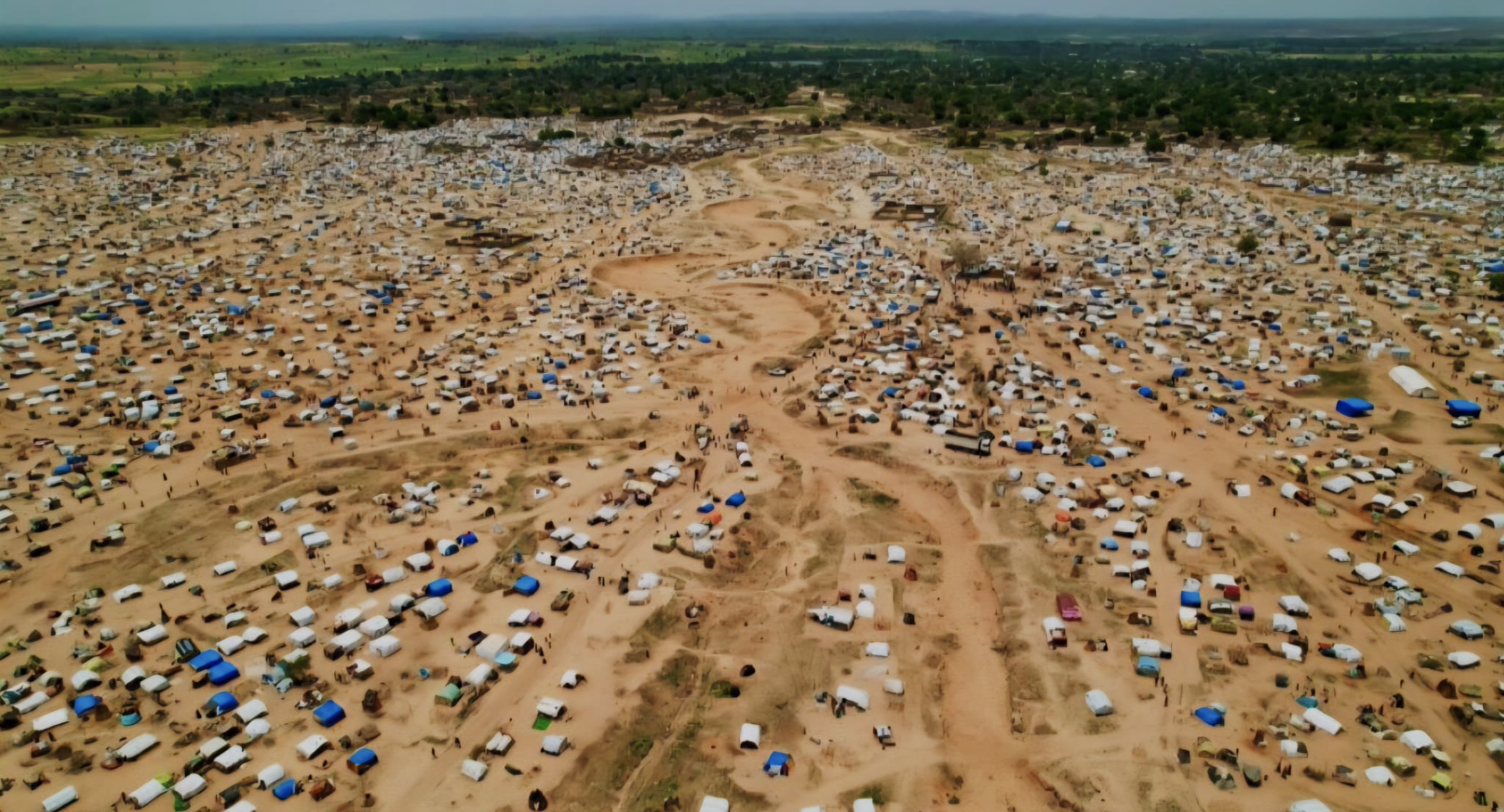
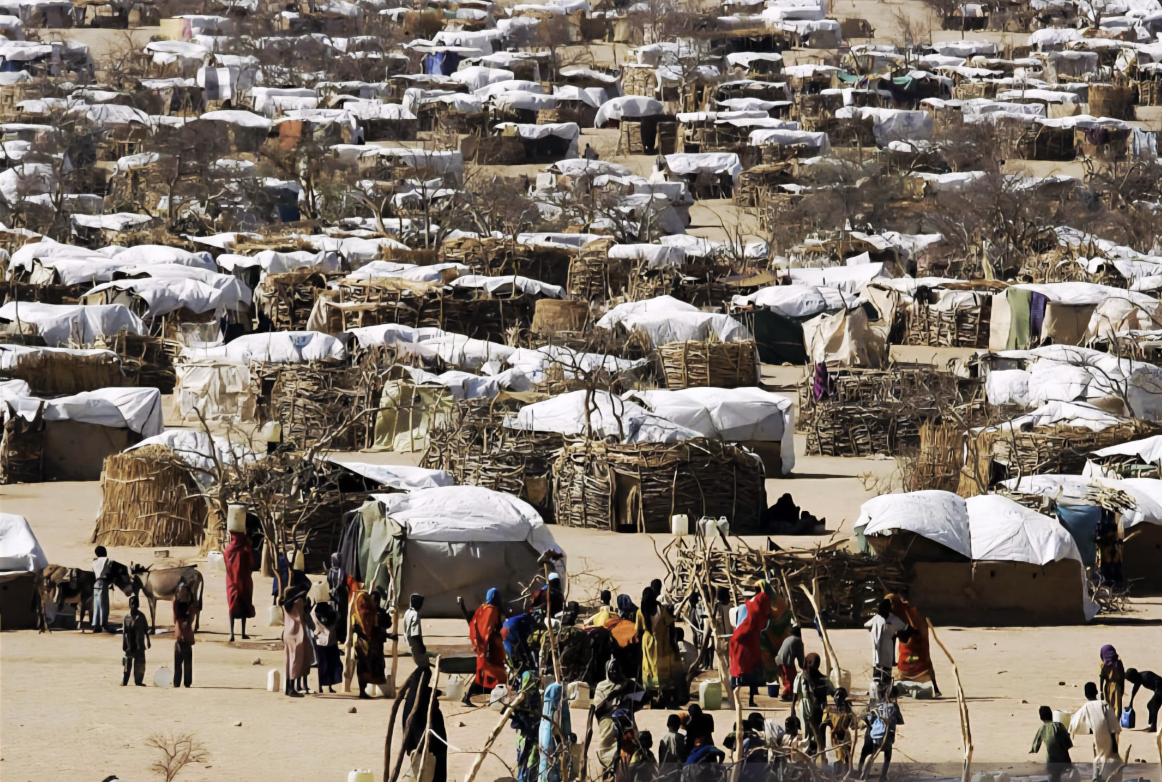
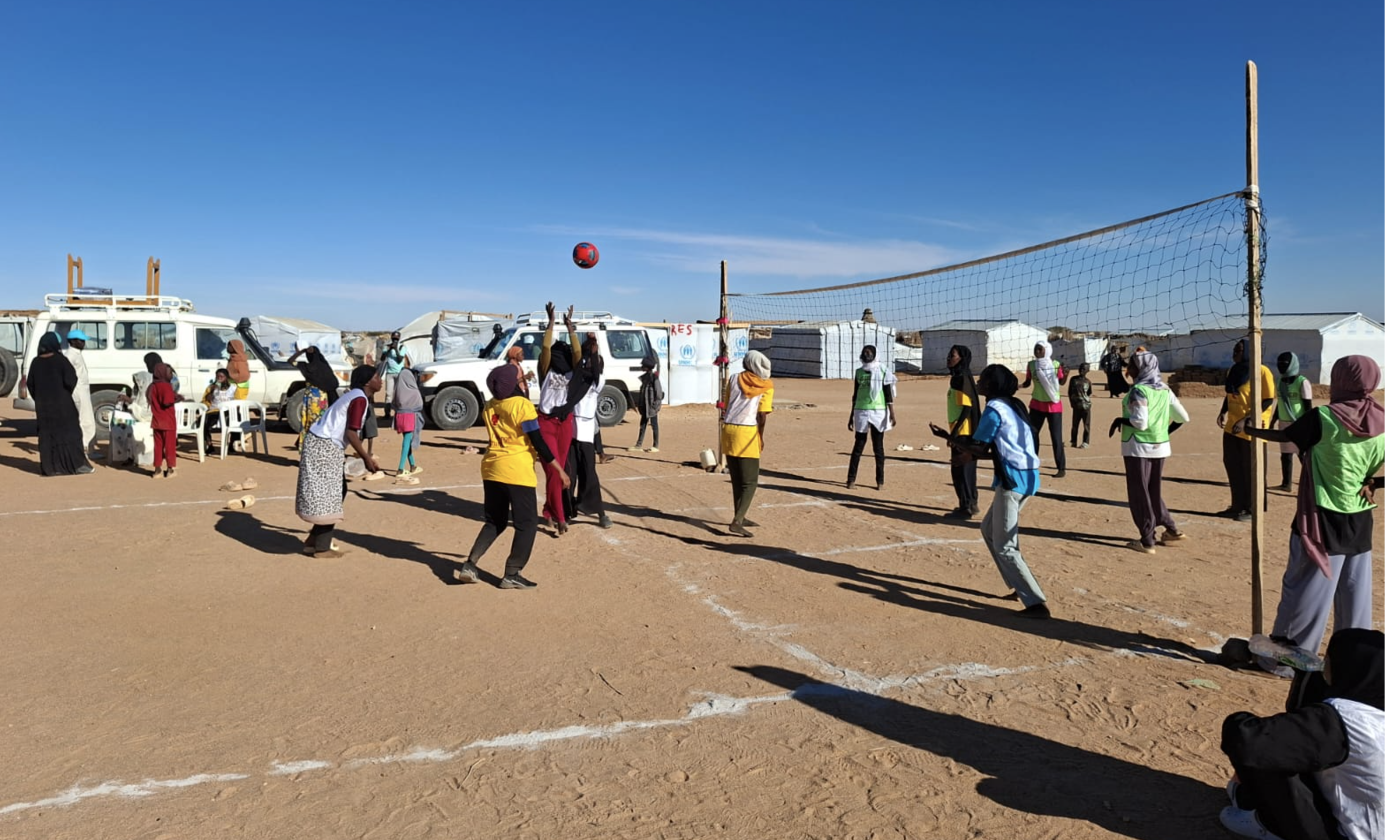
Approaching Iridimi refugee camp is unexpectedly beautiful. Low, rounded hills rest quietly on the horizon, their soft silhouettes blending into the pale desert sky. Then, suddenly, the vast plain opens up, revealing thousands of UNHCR-built tents stretching as far as the eye can see—temporary shelters for nearly 99,000 people.
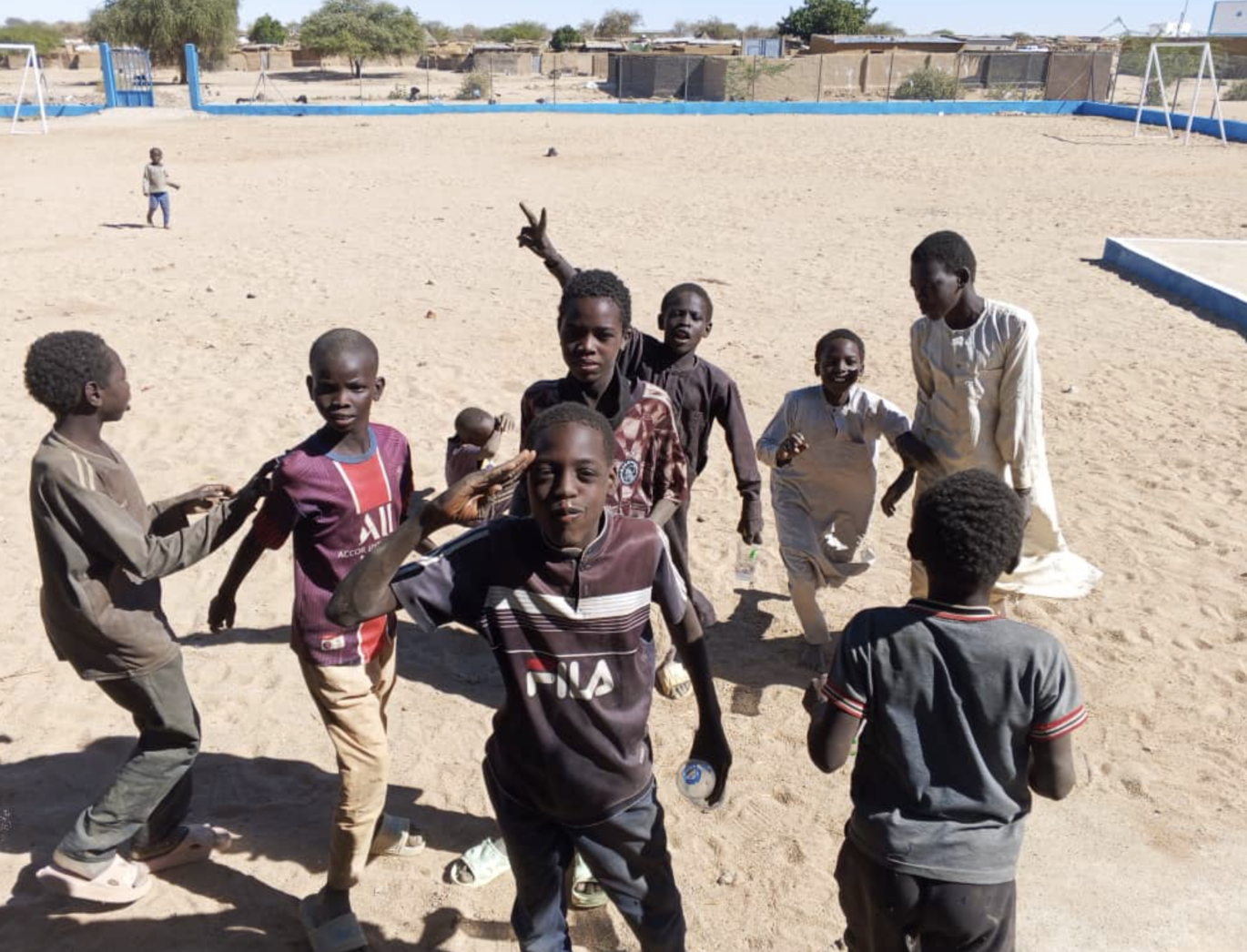
Inside the camp, however, the atmosphere is heavy. Young people walk through the cool, windy air with little to fill their days. There are few organized sports or cultural activities, and long periods of inactivity weigh on motivation, mental well-being, and social cohesion.
When the Training Begins, the Camp Changes
That mood shifted the moment Liikkukaa’s youth training session began.
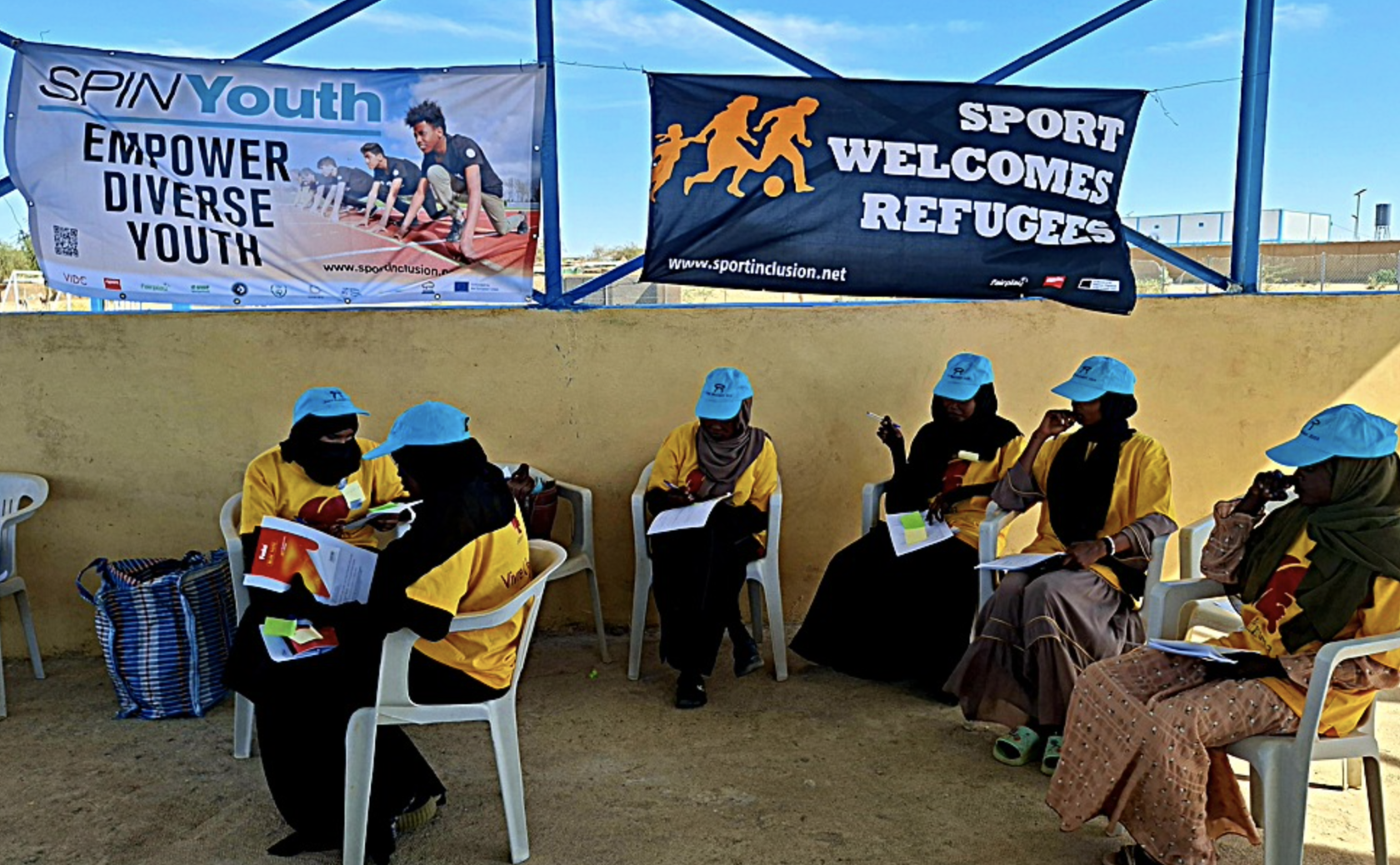
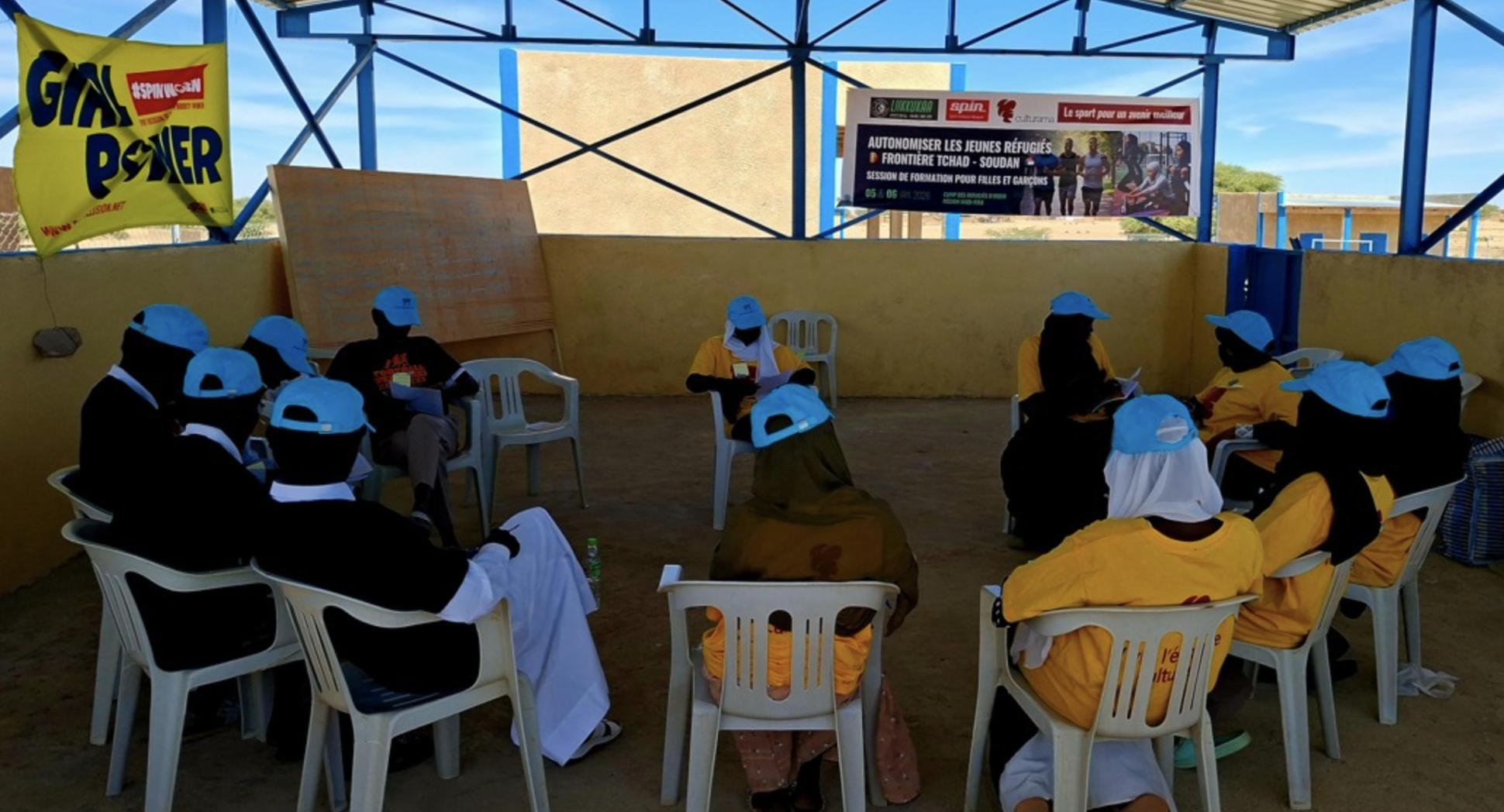
Fourteen young participants—nine girls and five boys—gathered for a two-day programme focused on youth empowerment, leadership, and peaceful interaction through sport. Despite administrative challenges that affected the original schedule, the training was carried out under very good conditions and quickly became a success.
From the first hours, the youth were energized, curious, and fully engaged. They responded enthusiastically to the participatory methods used by the trainers—discussing, reflecting, and learning from one another. Laughter replaced silence. Movement replaced waiting.
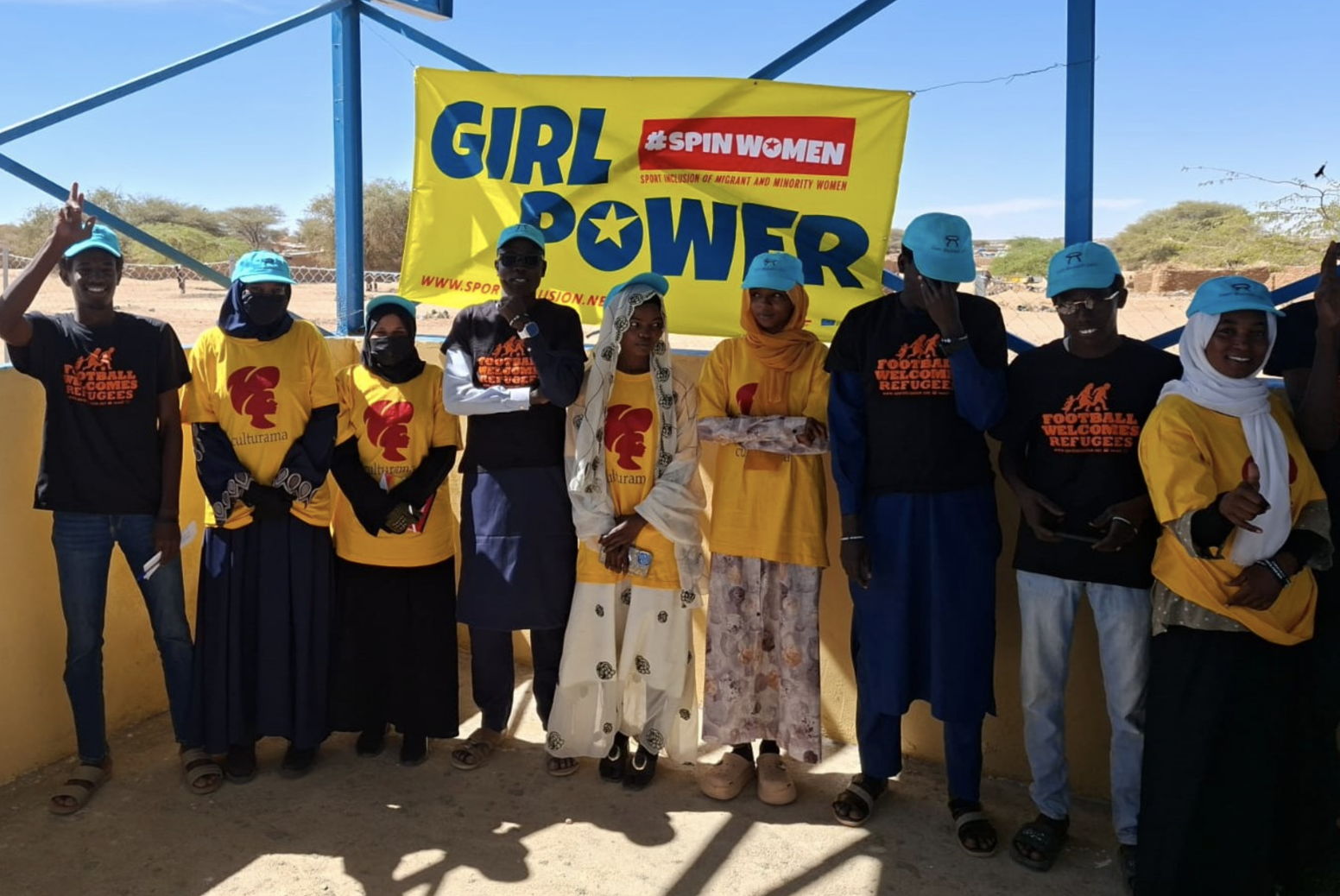
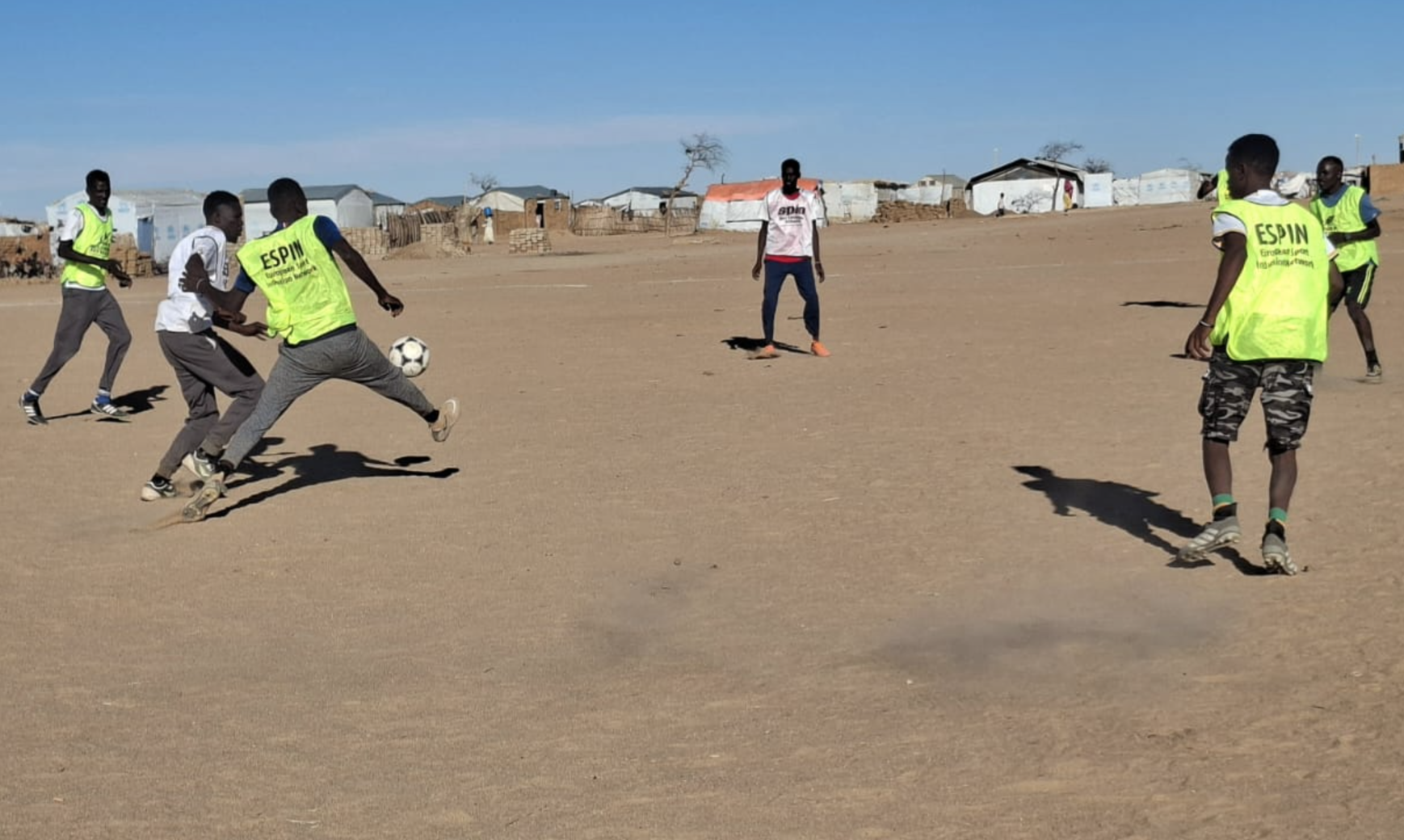
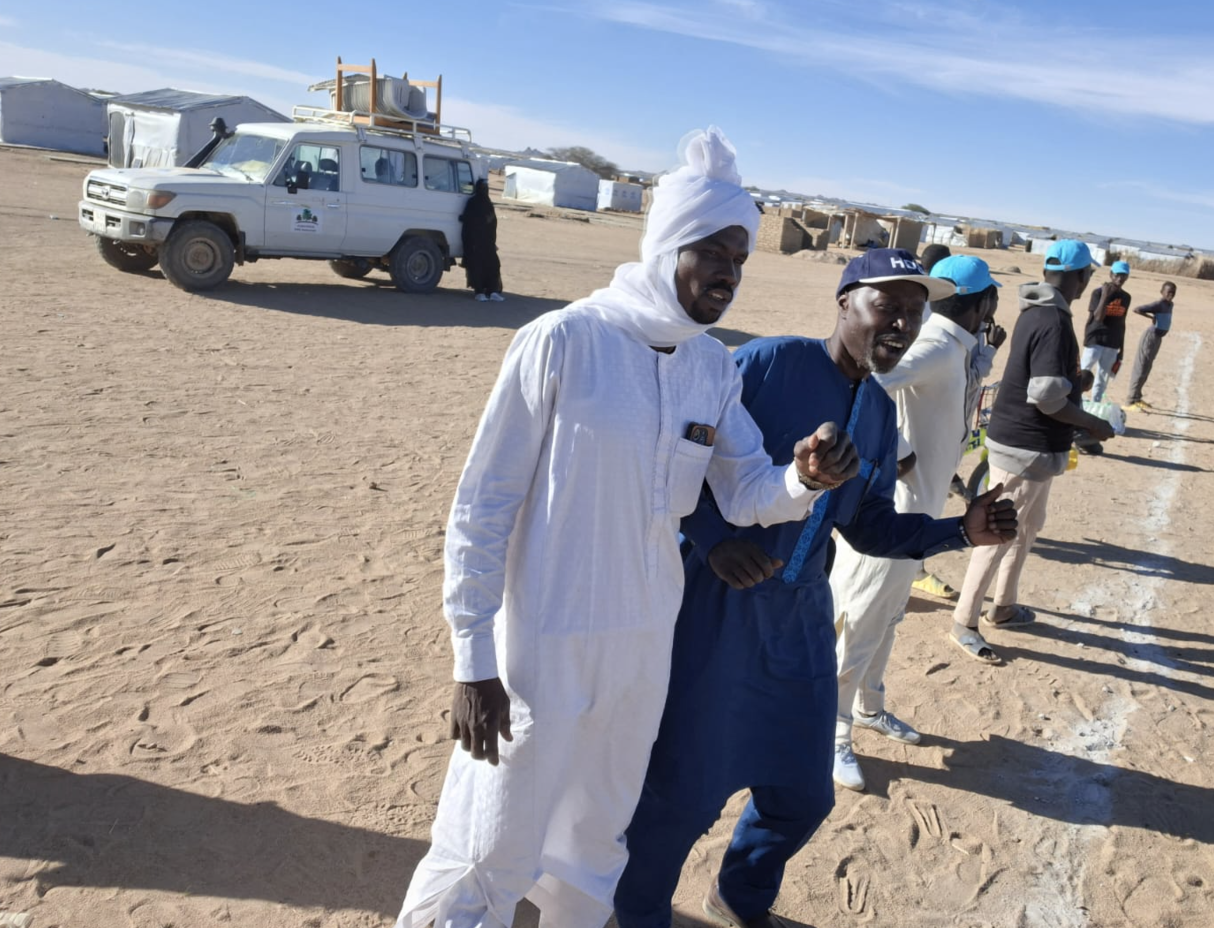
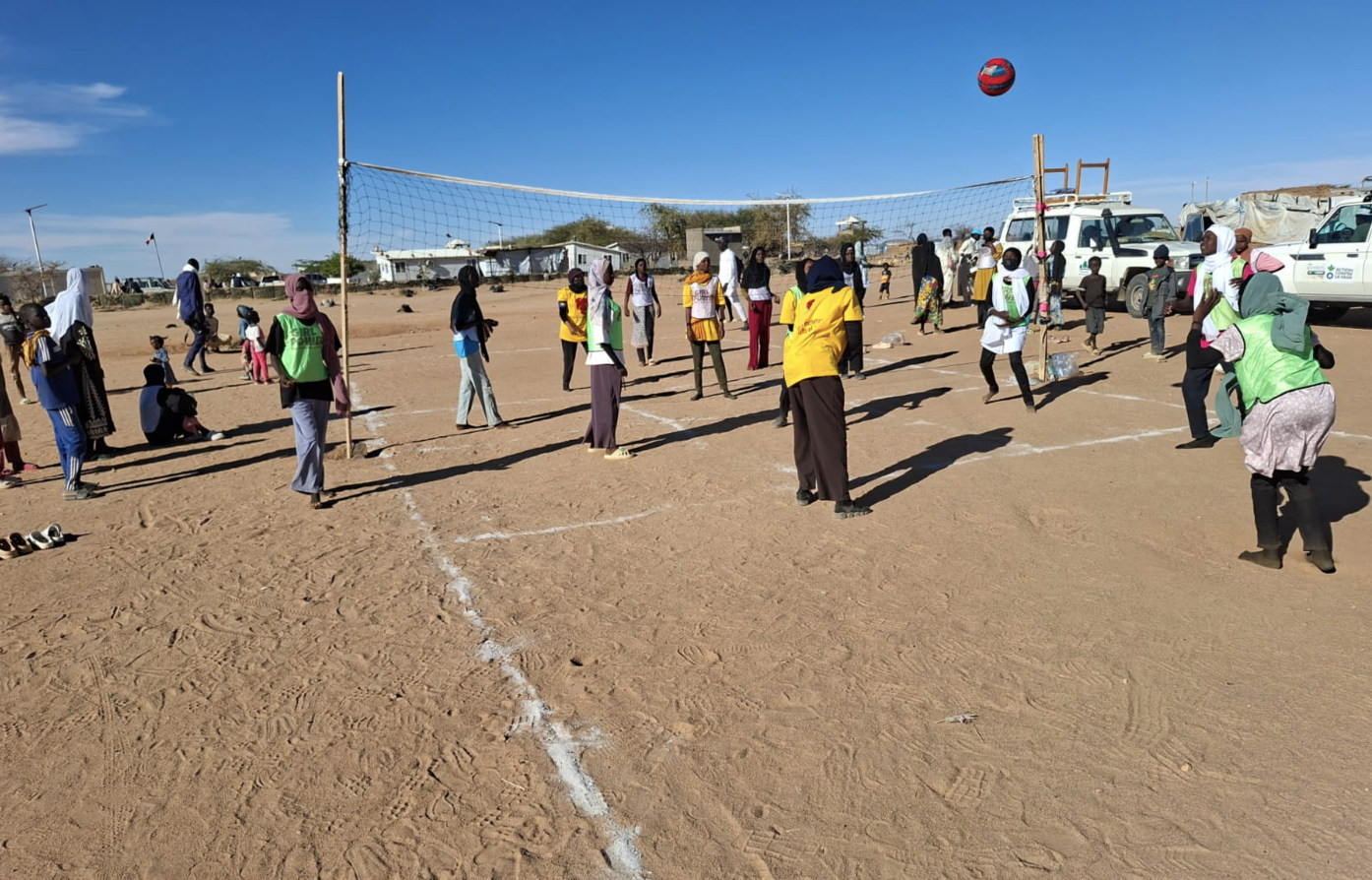
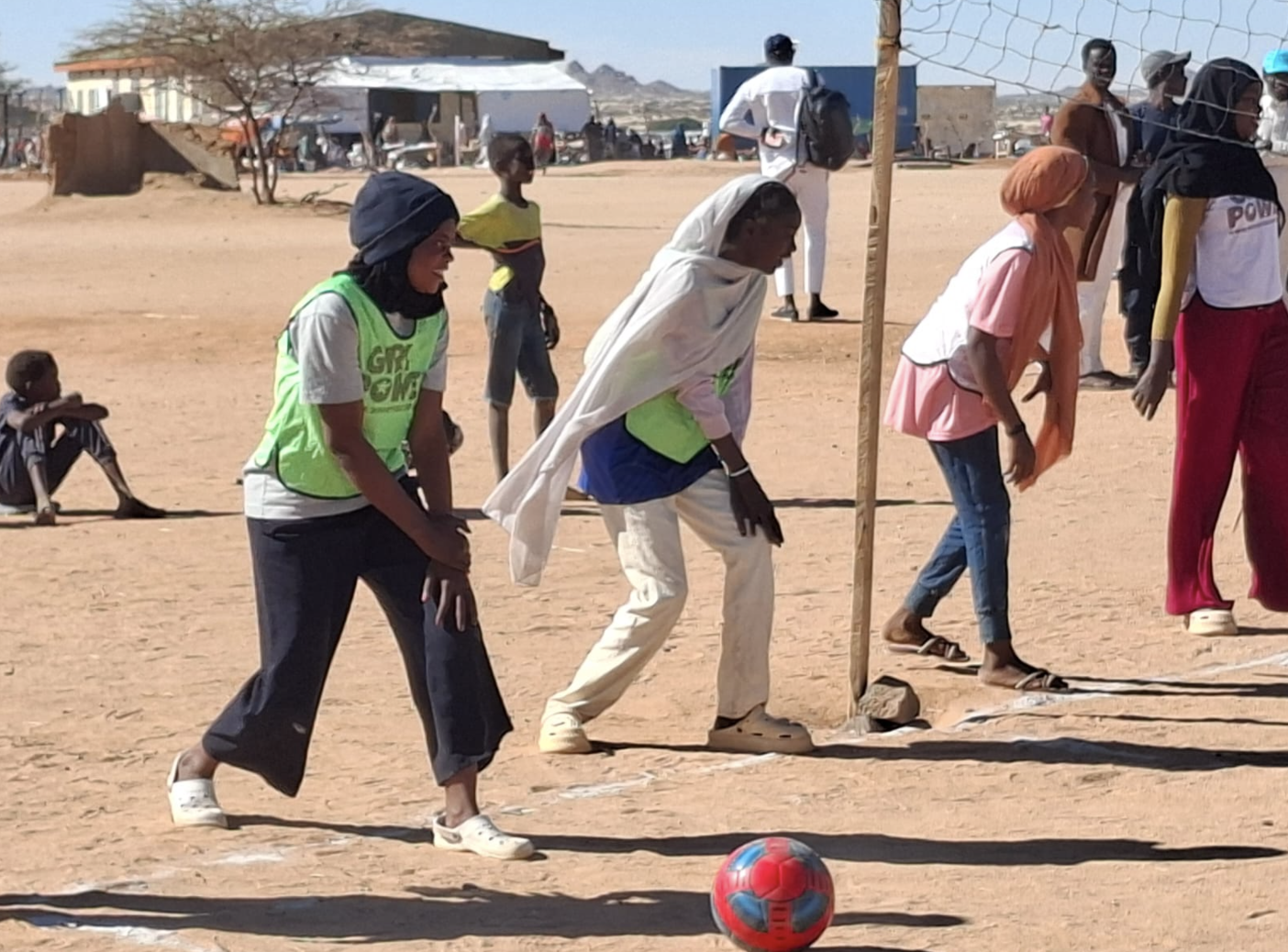
Through sport-based exercises and dialogue, participants explored conflict resolution, teamwork, and respectful communication, especially in the context of sports and cultural activities within the camp. The training concluded with a volleyball match organized by the girls and a football game played by the boys—both carried out in a spirit of cooperation, mutual respect, and shared joy.
For many participants, this was not just an activity. It was a reminder of their own capacity to contribute, to lead, and to bring something positive to their community.
Youth Voices: Clear Needs, Strong Motivation
Beyond their enthusiasm, the young participants expressed clear and urgent needs.
All participants called for proper coaching training and better access to both indoor and outdoor sports equipment.
Girls highlighted safety concerns, emphasizing the need for secure spaces where they can change clothes and practice sports with dignity.
Boys, while also concerned about safety, placed strong emphasis on advanced coaching skills, quality equipment, and—above all—pathways toward employment.
These voices reflect a shared reality: young people in Iridimi are not asking for charity. They are asking for opportunities—to learn, to lead, and to build a future despite extremely difficult circumstances.
At the end of the visit, sports bibs, footballs, and volleyballs were distributed. These simple items were received with genuine joy, symbolizing far more than equipment: they represented recognition, trust, and continuity.
Why This Project Matters
Young refugees living in camps along the Chad–Sudan border face daily stress, social isolation, and limited access to cultural and sporting activities. Discrimination and unequal participation—especially for girls—persist both within and beyond sport. Without safe and inclusive spaces, tensions grow and opportunities for positive interaction fade.
Sport and culture, when intentionally designed, can become powerful tools for healing, inclusion, and resilience.
What the Project Seeks to Achieve
This initiative aims to:
Promote equal participation and combat discrimination through inclusive sports and cultural activities
Create safe spaces for girls and young women
Strengthen the role of Liikkukaa – Sports for All, the SPIN network, and CULTURAMA Chad across the African continent
Empower young refugees as leaders and changemakers, capable of organizing activities within their own communities
Raise awareness of the realities faced by refugee youth and amplify their voices